Quick Home Workout For Beginners
I see so many workout guides online that talk down to people. They use big words. They assume you know things you do not know. They throw around terms like "progressive overload" and "muscle hypertrophy" like everyone just knows what those mean.
You do not need to know those quick home workout for beginners.
You need to know how to move your body without hurting yourself. You need to know what to do when you have fifteen minutes and zero equipment. You need to know that it is okay to be bad at this at first.
That is what this guide is for.
Before You Move A Muscle
Most people skip this part. They see a workout online and just start doing it. Then they pull something. Then they feel sore in a bad way. Then they quit.
Do not be those people.
Read Also: 30 Minute Full Body Dumbbell Workout
Where To Do This
Pick a spot in your house. Any spot works. Just make sure you have room to stretch your arms out without hitting the TV or knocking over a lamp. I have done workouts in hotel rooms smaller than most closets. You can make it work.
Move the coffee table. Push the chair aside. You just need a few feet of open floor.
What To Wear
You do not need fancy workout clothes. I have worked out in old t-shirts and pajama shorts. The only rule is this: wear something you can move in. Jeans are a bad idea. Tight skirts are a bad idea. Everything else is probably fine.
If you have sneakers, wear them. They give you grip. If you do not have sneakers, socks on carpet work. Just be careful if you have hardwood floors. Socks can get slippery.
Water And Towel
Get these before you start. Put them right next to you. When you get thirsty, you do not want to run to the kitchen. When you start sweating, you do not want to wipe your face on your shirt.
Small things make the experience better.
When To Do This
Pick a time and stick to it. Morning works for some people. Evening works for others. Lunch break works for people who work from home. The best time is whatever time you will actually do it.
Do not overthink this. Just pick a time.
Getting Your Body Ready
You cannot just jump into exercise. Your muscles are cold. Your joints are stiff. Your body needs a heads up that something is about to happen.
This takes five minutes. It is not optional.
Roll Your Neck
Stand up straight. Drop your chin to your chest. Roll your head to the right. Keep going until you are looking over your shoulder. Roll to the back. Roll to the left. Come back to the front.
Do that five times one way. Then five times the other way.
Go slow. This is not a race.
Shrug Your Shoulders
Lift your shoulders up like you are saying "I do not know." Hold them up for a second. Then drop them down hard.
Do that ten times.
Feel that tension leaving your shoulders? That is the point.
Circle Your Arms
Stick your arms straight out to the sides. Make little circles going forward. Ten circles. Then make little circles going backward. Ten circles.
Now make big circles forward. Ten of those. Big circles backward. Ten of those.
Your shoulders should feel warm now.
Twist Your Torso
Keep your feet planted. Put your hands on your hips. Turn your upper body to the right. Hold. Turn to the left. Hold.
Do this ten times each way.
Your hips stay still. Only the top half of you quick home workout for beginners.
Swing Your Legs
Hold onto a wall or a chair. Swing your right leg forward and backward. Keep it straight. Do that ten times. Switch to your left leg. Do ten times.
This wakes up your hips. Your hips do a lot of work during exercise. They need to be ready.
Lift Your Knees
Stand in place. Bring your right knee up toward your chest. Grab it with both hands and pull it closer. Hold for two seconds. Put it down. Bring your left knee up. Pull it. Hold. Put it down.
Do this five times on each side.
That is the warm up. You are ready.
The Workout Itself
Here are six exercises. Each one does something different. Together they cover your whole body.
You will do each exercise a certain number of times. That number is called a repetition. Take breaks between each set of repetitions. Rest when you need to. Beginners need rest.
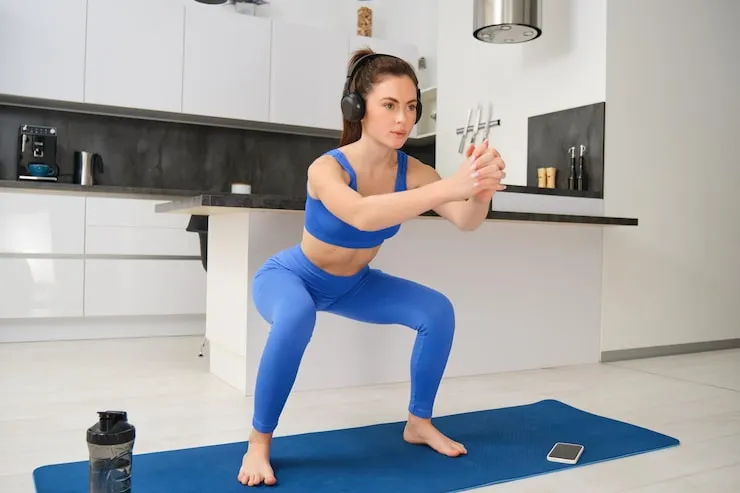
Exercise One: Squats
Squats work your legs. They make your thighs stronger. They make your bottom stronger. They also help your lower back.
Stand with your feet a little wider than your shoulders. Point your toes forward. Keep your chest up. Look straight ahead.
Now push your hips back like you are about to sit down. Bend your knees and lower your body. Go as far down as you can without rounding your back. The goal is to get your thighs parallel to the floor. If you cannot do that yet, just go partway down.
Push through your heels and stand back up. Squeeze your bottom at the top.
Do not let your knees go past your toes. That puts stress on your knees. Keep the weight in your heels.
Do three sets of ten squats. Rest thirty seconds between each set.
You May Also Like: Strength Training Workout For Women Over 40
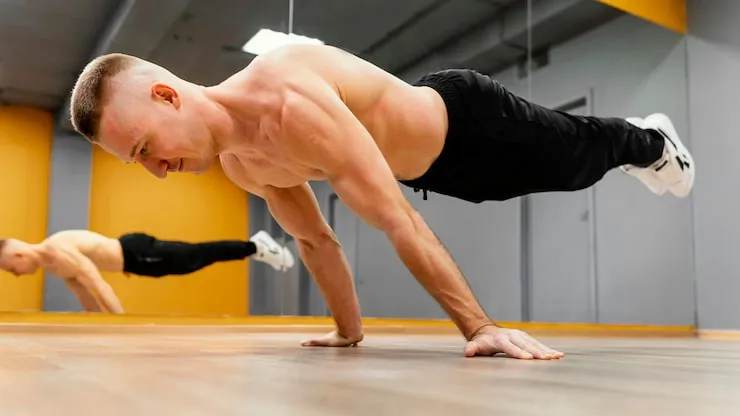
Exercise Two: Pushups From Your Knees
Pushups work your chest, shoulders, and arms. They also work your stomach. Regular pushups are too hard for most beginners. That is fine. Knee pushups give you the same benefit without the same difficulty.
Start on your hands and knees. Put your hands on the floor a little wider than your shoulders. Extend your legs back. Keep your knees on the floor. Cross your feet at the ankles.
Your body should make a straight line from your head to your knees. Lower your chest toward the floor. Stop when your chest is a few inches above the ground. Push back up.
Do not let your hips sag down. That puts pressure on your lower back. Keep your core tight.
Do three sets of eight pushups. Rest thirty seconds between each set.
If you cannot do knee pushups, do wall pushups. Stand a few feet from a wall. Put your hands on the wall. Lean forward and push back. That is even easier. Work your way up to knee pushups over time.
Exercise Three: Glute Bridges
This exercise works your bottom and lower back. Most people sit all day. That makes their bottom muscles weak. Weak bottom muscles cause back pain. This exercise fixes that.
Lie on your back with your knees bent. Put your feet flat on the floor. Your feet should be about hip width apart. Keep your arms flat on the floor next to you.
Push through your heels and lift your hips off the floor. Squeeze your bottom at the top. Hold for a second. Lower your hips back down. Do not let them touch the floor. Go back up.
Do not push through your toes. The weight should be in your heels. Also do not lift your hips too high. That arches your back. Lift until your body makes a straight line from your shoulders to your knees.
Do three sets of twelve bridges. Rest thirty seconds between each set.
If you feel this in your lower back, you are doing it wrong. Your bottom should be doing the work. Squeeze it harder. You can also do this one leg at a time. Lift one foot off the floor. Do the bridge on one leg. Switch legs.
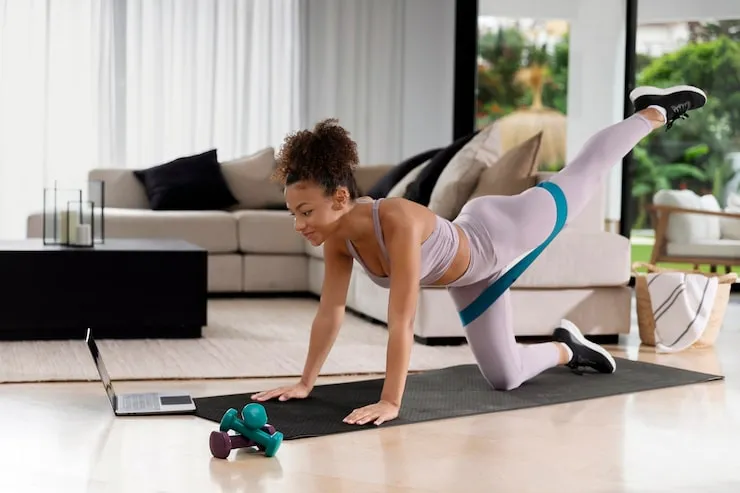
Exercise Four: Bird Dog
This exercise works your core and your back. It also helps with balance. It is very safe for beginners.
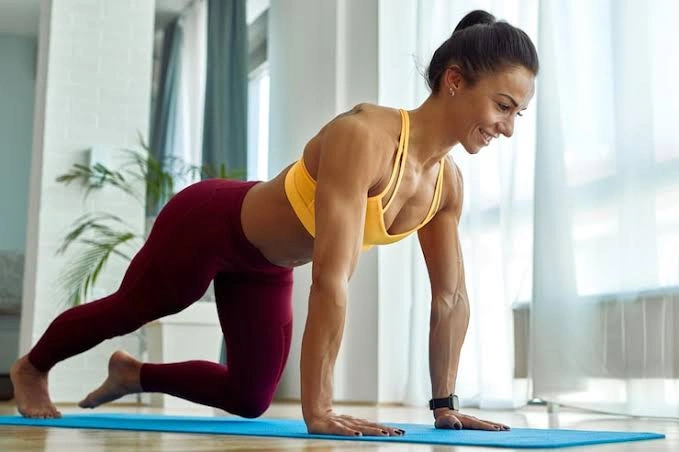
Start on your hands and knees. Put your hands under your shoulders. Put your knees under your hips. Keep your back straight. Look down at the floor.
Lift your right arm and extend it forward. At the same time, lift your left leg and extend it backward. Hold for two seconds. Bring them back down. Switch sides. Lift your left arm and right leg. Hold. Bring them down.
Do not twist your body. Keep your hips and shoulders square. Move slowly. Do not rush.
Do three sets of ten on each side. Rest thirty seconds between each set.
If you have trouble balancing, just lift your arm. Then just lift your leg. Put them together when you feel ready.
Exercise Five: Calf Raises
This works your lower legs. Strong calves help you walk and run better. They also look good.
Stand with your feet hip width apart. Hold onto a wall or chair for balance. Press through the balls of your feet. Lift your heels off the floor. Go up as high as you can. Hold for a second. Lower your heels back down.
Do not bounce at the bottom. That uses momentum instead of muscle. Move up slow. Move down slow. Also do not bend your knees. Keep them straight.
Do three sets of fifteen raises. Rest thirty seconds between each set.
If this is too easy, do it on one leg. Lift one foot off the floor. Do calf raises on the other leg. Switch legs.
Exercise Six: Dead Bug
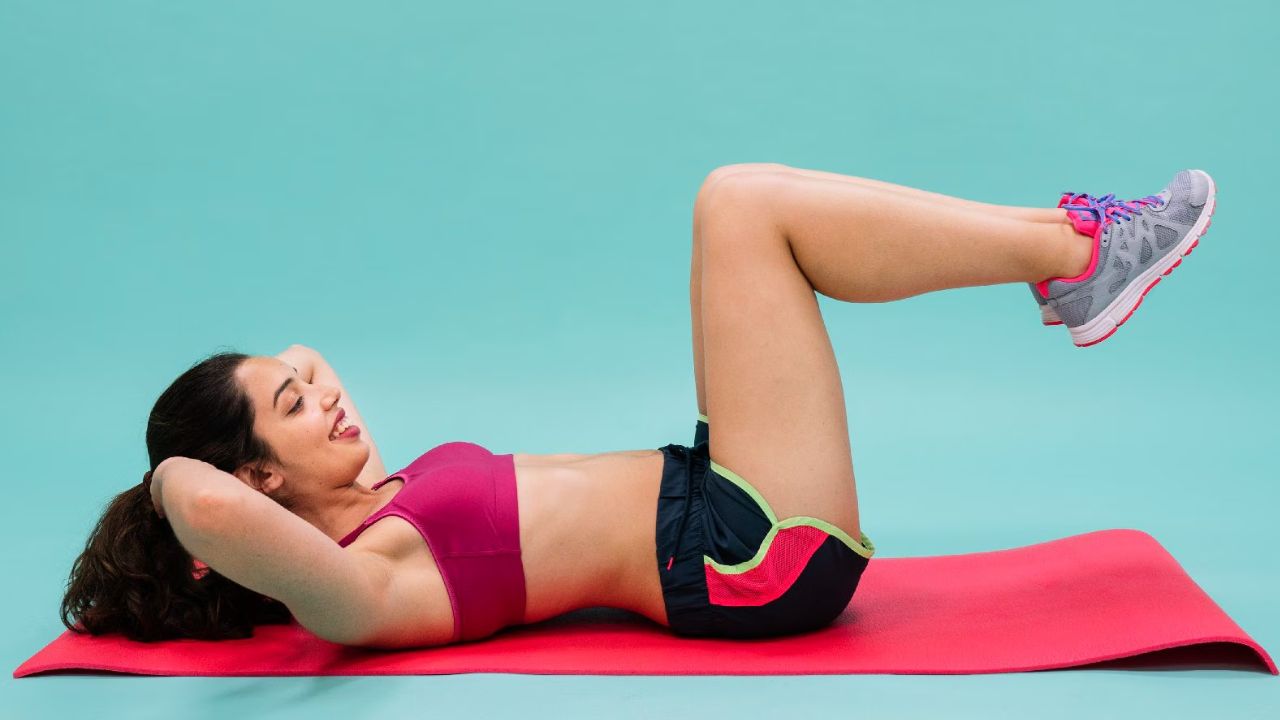
This works your deep core muscles. These muscles hold your spine in place. Strong core muscles prevent back pain.
Lie on your back. Lift your arms up toward the ceiling. Bend your knees at a ninety degree angle. Your knees should be directly over your hips. Press your lower back into the floor.
Slowly extend your right arm back over your head. At the same time, extend your left leg out straight. Keep them hovering above the floor. Bring them back to the starting position. Switch sides. Extend your left arm and right leg.
Do not let your lower back lift off the floor. That puts pressure on your spine. Keep it pressed down.
Do three sets of ten on each side. Rest thirty seconds between each set.
If this is hard, do not extend your limbs fully. Keep them halfway out. You can also do it without moving your legs. Just extend your arms.
You May Also Like: 30 Day Home Workout Challenge For Beginners
Cooling Down
Your heart is beating faster. Your muscles are warm. You need to bring everything back down slowly. Stretching after exercise helps prevent soreness.
Stretch Your Quads
Stand and hold onto a wall. Lift your right foot up behind you. Grab your right foot with your right hand. Pull it toward your bottom. Keep your knees together. You should feel a stretch in the front of your thigh. Hold for twenty seconds. Switch to your left foot.
Stretch Your Hamstrings
Stand with your feet together. Bend forward at your waist. Let your arms hang toward the floor. Do not force it. Let gravity do the work. Bend your knees slightly if you need to. You should feel a stretch in the back of your legs. Hold for twenty seconds.
Stretch Your Chest
Stand tall. Clasp your hands behind your back. Straighten your arms. Lift your hands up slightly. This opens up your chest. Hold for twenty seconds.
Stretch Your Sides
Stand with your feet shoulder width apart. Raise your right arm over your head. Lean to the left. Keep your body in one plane. Do not lean forward or backward. You should feel a stretch on the right side of your body. Hold for twenty seconds. Switch sides.
Child's Pose
Kneel on the floor. Sit back on your heels. Walk your hands forward on the floor. Keep your arms straight. Lower your chest toward the floor. Let your head rest on the ground. Breathe deeply. Hold for thirty seconds.
How Often To Do This?
Doing this three times a week is better than doing it once a week for a long time. Your muscles need time to recover. Do not work out on back to back days when you are starting.
A sample week looks like this.
Monday: Workout
Tuesday: Rest or walk
Wednesday: Workout
Thursday: Rest or walk
Friday: Workout
Saturday: Rest
Sunday: Rest
As you get stronger, you can add more days. Start with three days. See how you feel.
What Happens In The First Weeks?
Do not expect too much too fast. Your body takes time to change. Here is what usually happens.
Week One
You might feel sore. That is normal. Your muscles are not used to working. The soreness will fade as your body adapts. You might also feel clumsy with the movements. That is normal too. Your brain is learning new patterns. Keep going.
Week Two
The movements feel more natural. You remember what comes next. The soreness is less. You might feel a small burst of energy during the day.
Week Three
You notice small changes. Maybe your pants fit a little looser. Maybe you feel stronger when climbing stairs. Maybe you sleep better. These are signs that your body is responding.
Week Four
The exercises feel easier. You can do more repetitions. You might increase your sets from three to four. You feel proud of yourself. You have built a habit.
FAQs
Do I need equipment?
No. This workout uses only your body weight. No dumbbells. No bands. No machines.
What if I cannot do all the repetitions?
That is fine. Do as many as you can. Write down the number. Try to do one more next time.
How long should I rest between exercises?
Rest for thirty seconds. Breathe. Drink a sip of water. Then start the next exercise.
Can I do this every day?
Rest days are important. Your muscles grow when you rest. Take at least one day off between workouts.
Should I do cardio too?
Walking is a great form of cardio. Walk on your rest days. Start with fifteen minutes. Work up to thirty minutes.
How long should I follow this program?
Follow this program for six weeks. At that point, you will feel stronger. Then you can look for a new workout that challenges you more. Or keep doing this one and add more repetitions.
How To Know You Are Doing It Right?
Here is a simple test.
- For squats: your bottom should feel tired after the set. If your knees hurt, you are doing it wrong.
- For knee pushups: your chest and arms should feel tired. If your lower back hurts, you are letting your hips drop.
- For glute bridges: your bottom should feel tired. If your lower back hurts, you are lifting too high.
- For bird dog: your core should feel engaged. If you lose balance, slow down.
- For calf raises: your lower legs should burn. If your foot cramps, take a break.
- For dead bug: your stomach should feel worked. If your neck hurts, keep your head on the floor.
Staying On Track
Write It Down
Write down what you do. The date. How many repetitions you did. How you felt. This record keeps you honest. You will see improvement over time.
Tell Someone
Tell a friend what you are doing. Ask them to check in with you each week. You do not have to work out together. Just knowing someone else knows about it helps.
Set Small Goals
Big goals are overwhelming. Small goals are achievable. Your first goal could be to complete one full workout. Your next goal could be to complete a week of workouts. Small wins build momentum.
Do Not Be Hard On Yourself
You will miss a workout sometimes. Life happens. Do not beat yourself up. Just get back to it the next day. One missed workout does not ruin your progress.
A Note On Safety
If something hurts, stop. Pain is different from soreness. Soreness feels like a dull ache. Pain feels sharp. If you feel pain, sit down and rest.
If you have a medical condition, talk to your doctor before starting any exercise program. This is common sense. Do not skip this step.
Closing Thoughts
Starting a home workout routine is a big step. You are investing in your health. You are building strength. You are building discipline. The workout is simple. The exercises are safe. The structure is clear. You will not be perfect on day one. That is fine. You will get better each time.