Low Impact Cardio Workout For Beginners

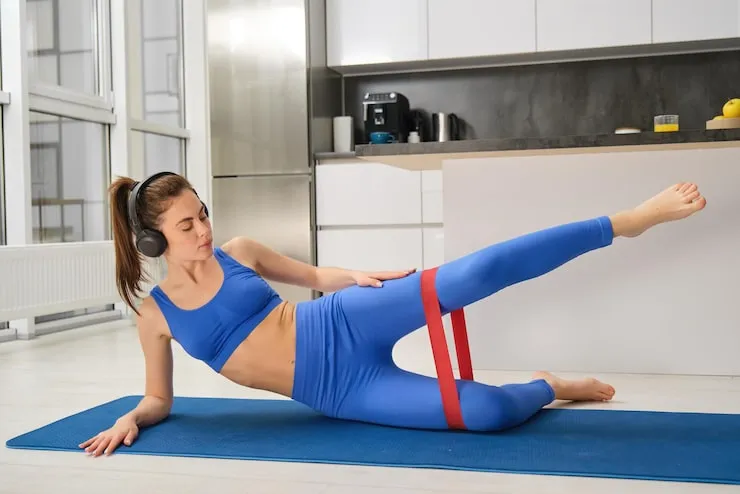
Low impact cardio means your feet stay connected to the ground most of the time. You are not jumping. You are not landing hard on your joints. But your heart still gets pumping.
The American Heart Association recommends at least 150 minutes of moderate cardio each week for adults. That is about 30 minutes on five days. Low impact exercise helps you hit that target without the pounding that running or jumping can put on your ankles, knees, and low impact cardio workout for beginners.
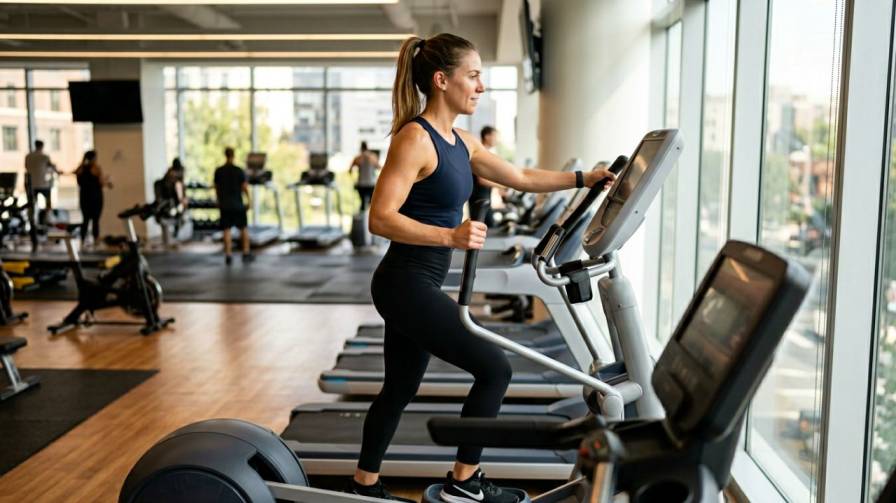
Think of it this way: your heart does not care if you are jumping. It only cares that you are moving enough to raise your heart rate. You can get a great workout while keeping your feet planted. Walking, swimming, cycling, and using an elliptical are all classic examples.
The real benefit here is that low impact movement is easier on your body, which means you are more likely to keep doing it. And consistency is what actually gets you fit.
Why Beginners Should Start with Low Impact Cardio?

If you are new to exercise, your joints and muscles are not used to the load. High impact activities like running or jumping jacks can leave you sore or even injured. That is a quick way to kill your motivation.
Low impact cardio lets you build your fitness base without that risk. You can still push yourself. You can still sweat. But you are not asking your body to absorb repeated shock.
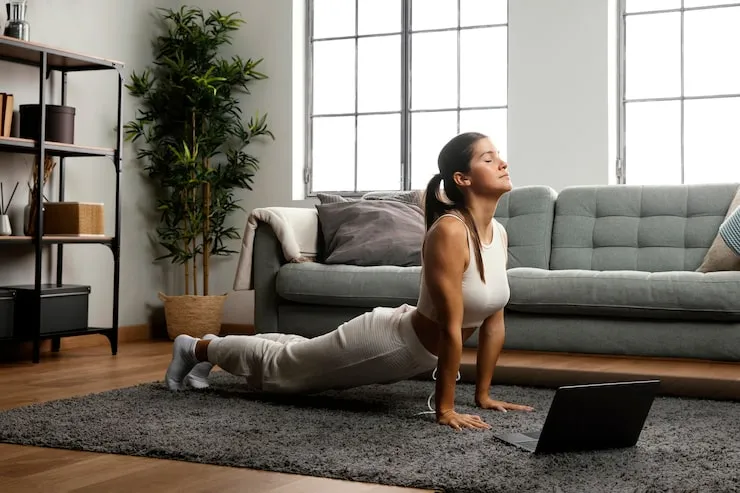
There is another big plus: low impact cardio fits almost anywhere. You do not need a gym membership. You do not need fancy equipment. You can do it in your living room in your pajamas if you want. That removes the excuses that stop most people before they even start.
Read Also: 5 Day Workout Split Each Muscle Twice A Week
8 Low Impact Cardio Exercises You Can Do at Home
Here are eight moves that get your heart rate up without pounding your joints. You do not need any equipment. Just a little space and a few minutes.
Marching in Place
Stand tall with your feet hip-width apart. Lift one knee up toward your chest, then lower it and lift the other. Pump your arms naturally as you go. Keep a steady rhythm. This is simple, but if you march with purpose and lift your knees high, your heart rate will climb.
Step Touch
Step to the right with your right foot, then bring your left foot to meet it. Now step to the left and bring your right foot to meet it. Add some arm swings to make it more athletic. This move is gentle on the knees and easy to follow.
Side Steps with Reach
Take a wide step to one side and reach both arms across your body. Then step back to center and repeat on the other side. This gets your hips moving and your heart working without any jumping.
Knee Lifts with Arm Punches
Stand with your feet together. Lift your right knee while punching your left arm forward. Then switch sides. The combination of lower body and upper body movement keeps your heart rate elevated and makes the time go by faster.
Heel Taps
Tap your right heel forward in front of you, then bring it back. Alternate legs. Add a small arm reach forward with each tap. It looks easy, but if you keep a brisk pace, you will feel it.
Standing Bicycle
Lie on your back if you want, or stay standing and bring your elbows toward opposite knees. Standing is easier on your back if you have any discomfort on the floor. Alternate sides at a steady pace.
Shadow Boxing
Throw light punches into the air, one after another. Keep your knees slightly bent and move your feet a little as you punch. This is a fantastic low impact cardio move that also works your arms and low impact cardio workout for beginners.
Chair Squats
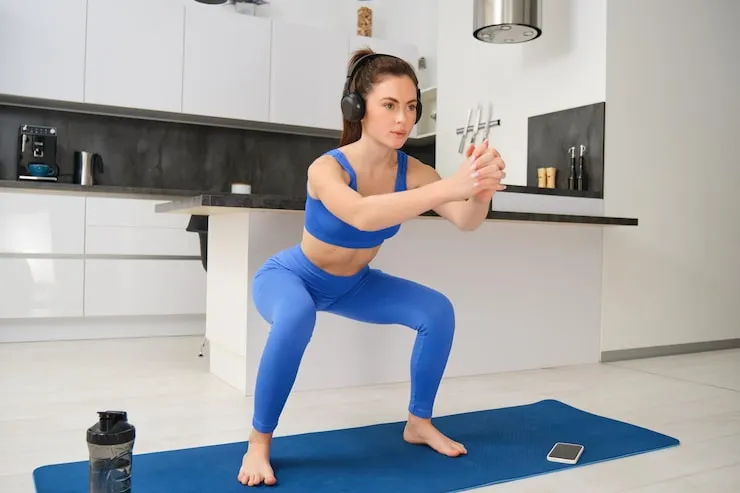
Stand in front of a chair. Push your hips back and lower yourself until you lightly touch the chair, then stand back up. This builds leg strength while keeping your heart rate up. It is much gentler on the knees than a deep squat.
A Simple 20-Minute Beginner Routine
Here is a complete workout you can try today. No equipment. No experience needed.
Warm-Up (3 Minutes)
March in place for one minute. Then do step touches for one minute. Finish with gentle arm circles and shoulder rolls for one minute. The goal is to wake up your body, not tire it out.
Main Workout (15 Minutes)
Do each move for 40 seconds, then rest for 20 seconds. That is one round. Complete three rounds total.
- Marching in place
- Step touch
- Knee lifts with arm punches
- Heel taps
- Shadow boxing
Move at a pace that feels challenging but manageable. You should be able to talk in short sentences but not sing a song. That is the sweet spot for moderate intensity.
Cool-Down (2 Minutes)
Walk around slowly. Then stretch your calves, your thighs, and your arms. Hold each stretch for about 15 seconds. Breathe deeply. Let your heart rate come down gradually.
How Often Should You Do This Workout?
Start with three days per week. Give yourself at least one day of rest between sessions. Your body needs time to adapt, especially when you are new to exercise.
After two or three weeks, if the workout feels easy, add a fourth day. You can also extend the main workout from 15 minutes to 20 minutes. Or add one more round of the five exercises.
The American Heart Association target is 150 minutes per week. That might sound like a lot at first. But you do not have to hit it on day one. Build up slowly. Ten minutes here and there adds up. A study from Columbia University found that even five-minute walking breaks every half hour can help lower blood sugar and blood pressure.
You May Also Like: 30 Minute Full Body Dumbbell Workout
Common Mistakes Beginners Make
Going too hard too soon. Your heart and lungs might feel fine, but your joints and tendons need time to adjust. Start easier than you think you need to.
Skipping the warm-up. Cold muscles are more likely to get hurt. Those three minutes of marching and arm circles make a difference.
Ignoring discomfort. Muscle burn is normal. Sharp pain in your knees, hips, or back is not. Stop if something hurts in a bad way.
Comparing yourself to others. Your neighbor might run five miles a day. That has nothing to do with you. Your only job is to move your body in a way that feels good and keeps you coming back.
How to Stay Consistent?
The biggest reason people quit exercise is not injury. It is boredom or lack of time. Here are a few ways to keep low impact cardio workout for beginners.
Pair it with something you enjoy. Watch your favorite show while you march in place. Listen to a podcast during your workout. Light a candle and make the space feel nice. If the workout feels like a treat instead of a punishment, you will do it more often.
Keep it short on busy days. A ten-minute session is better than nothing. Five minutes is better than nothing. The goal is to keep the habit alive, not to be perfect every single day.
Track your sessions. A simple checkmark on a calendar works. Seeing a streak builds momentum. You will not want to break the chain.
When to Check with a Doctor?
Low impact cardio is safe for most people. But you should talk to your doctor first if you have a heart condition, high blood pressure, diabetes, or any joint problems that limit your movement. If you feel dizzy, short of breath in a way that scares you, or have chest pain during exercise, stop and get low impact cardio workout for beginners.
The Bottom Line
You do not need to jump around to get fit. Low impact cardio gives you all the heart health benefits without the joint pain. Start with the 20-minute routine above. Do it three times a week. Build from there.