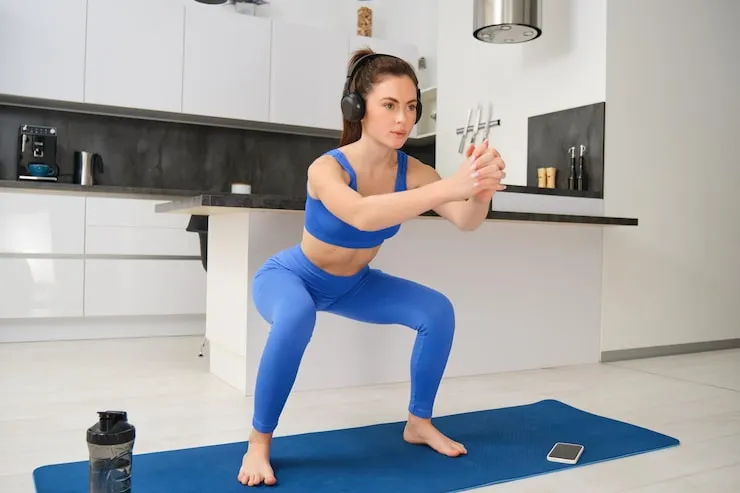
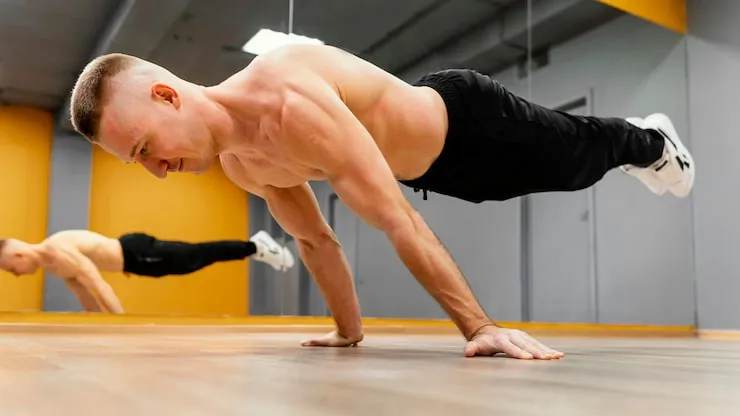
5 Day Workout Split Each Muscle Twice A Week

If you want to train each muscle group twice a week, a 5-day workout split is one of the most practical ways to do it. You get enough training days to spread out the work, but you still have two days to rest and recover. This article explains exactly how to build that plan, why it works, and what to watch out for.
Why Train Each Muscle Twice a Week?
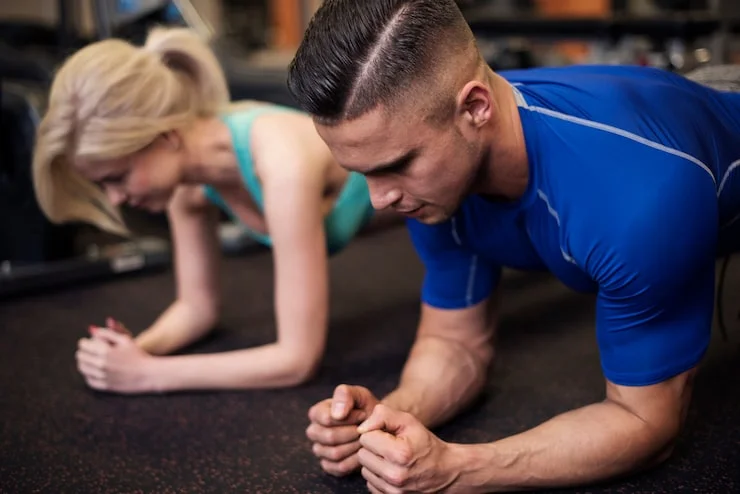
Muscle growth does not happen while you are in the gym. It happens afterward, when your body repairs the stress you put on it. That repair process takes time. For most people, the signal that tells your muscles to grow lasts somewhere between 24 and 48 hours after a workout .
If you train a muscle once a week, that growth signal turns on and then turns off for several days before you train it again. You are leaving time on the table.
Training a muscle twice a week keeps that signal active more often. It gives you two chances to stimulate growth instead of one . You also get more total sets across the week without cramming everything into a single session that leaves you too tired to perform well .
There is another reason. When you do a lot of sets in one workout, your performance drops as the session goes on. You pace yourself without realizing it. You hold back on the first few sets because you know how much work is left. Spreading the same volume across two sessions lets you put full effort into every set .
Read Also: 30 Minute Full Body Dumbbell Workout
The 5-Day Split That Hits Everything Twice
Here is a structure that works for most people. It groups muscles by function, not by old-school bodybuilding categories. You train five days and rest two.
- Day 1: Push (Chest focus)
- Day 2: Pull (Back width focus)
- Day 3: Legs (Quad focus)
- Day 4: Upper body (Shoulder and arm focus)
- Day 5: Lower body (Posterior chain focus)
- Day 6 and 7: Rest
Let me break down why this works. On Day 1, you train chest hard, but your shoulders and triceps get work too. On Day 2, you hit your back, and your biceps get involved. Day 3 is legs, with an emphasis on the front of your thighs. Day 4 comes back to the upper body, but now you focus on shoulders, arms, and upper chest. Your back and chest get a second touch. Day 5 finishes the lower body with hamstrings, glutes, and 5 day workout split each muscle twice a week.
Every major muscle group gets trained twice within the five days. You also get at least 48 hours between training the same area. Your chest gets hit on Day 1 and Day 4. That is three days of recovery. Your quads get hit on Day 3 and Day 5. That is only two days, but the second session is lighter on quads and heavier on hamstrings, so the recovery demand is manageable.
What Each Day Looks Like?
I am not going to give you a rigid list of exercises. You need to pick movements that fit your body and your equipment. But I can tell you the pattern each day should follow.
Day 1: Push
Start with a heavy pressing movement for your chest. A barbell bench press or a dumbbell press works well. Do four sets of six to eight reps. Then move to a second pressing movement, like an incline press, for three sets of eight to ten reps. After that, do a shoulder press for three sets. Finish with lateral raises for your side delts and a triceps isolation exercise .
Day 2: Pull
Begin with a vertical pull, like pull-ups or lat pulldowns, for four sets. Follow with a horizontal row, like a barbell row or cable row, for three sets. Add a rear delt movement, then two biceps exercises. One should be a curl with your palms up. The other can be a hammer curl .
Day 3: Legs (Quad Focus)
Squats come first. Back squats or front squats, four sets of six to eight reps. Then a unilateral movement like split squats or lunges. Add leg extensions for the quads, then calf raises. Keep the hamstring work light on this day because you will hit them hard on Day 5.
Day 4: Upper Body
This is your second pass at the upper body. Start with a shoulder press. Then do an incline press for upper chest. Follow with a row or pulldown for your back. Add lateral raises again. Finish with biceps and triceps supersets. Keep the volume moderate. You are not trying to destroy yourself. You are adding quality work .
Day 5: Lower Body (Posterior Chain)
Romanian deadlifts come first. Four sets of eight to ten reps. Then a leg curl variation. Add a hip hinge movement like good mornings or back extensions. Finish with more calf work. Your quads get some indirect work from the deadlift pattern, but the focus is on the back of your legs and your glutes.
How Many Sets Per Muscle Group?
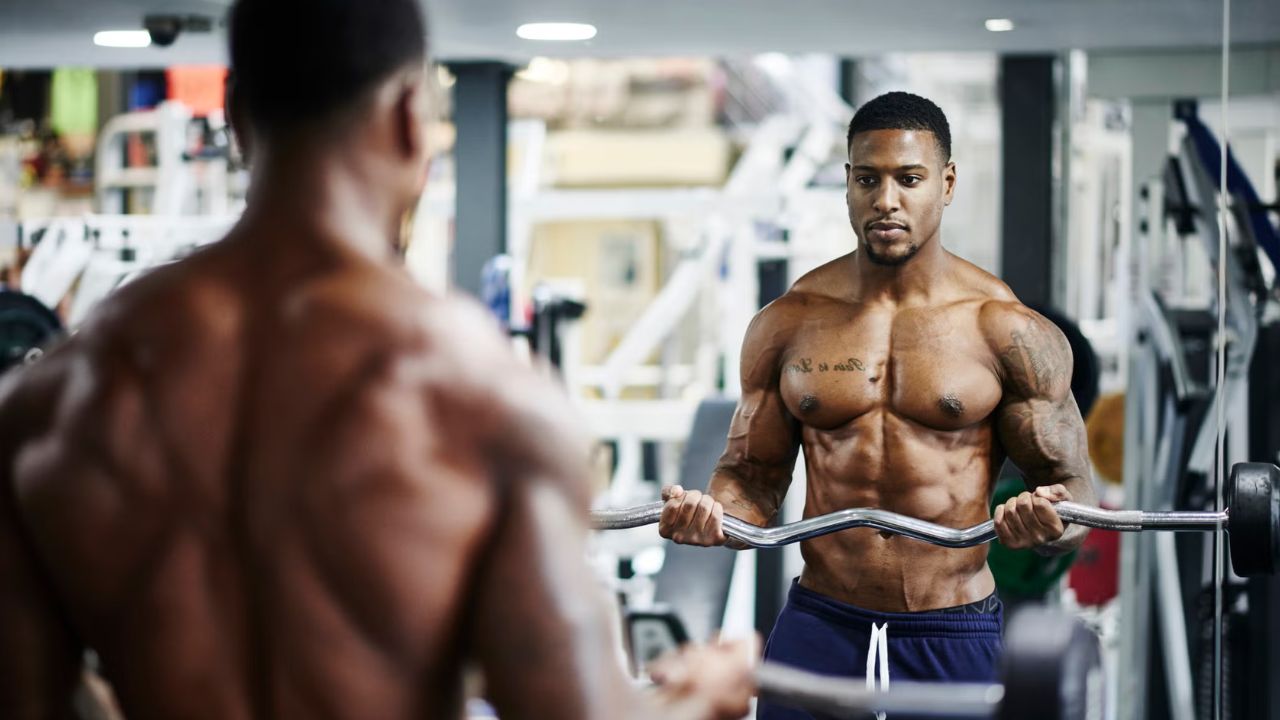
This is where most people get confused. Some sources say five to ten sets per week is enough. Others say you need twenty-five or more . The truth depends on your experience and how hard you push each set.
For a 5-day split where you hit each muscle twice, aim for ten to twenty total sets per muscle group per week. That means five to ten sets per session. Here is how that breaks down:
- Chest: Four sets on Day 1, three sets on Day 4. Seven total.
- Back: Four sets on Day 2, three sets on Day 4. Seven total.
- Quads: Four sets on Day 3, indirect work on Day 5. About six direct sets.
- Hamstrings and glutes: Three sets on Day 3, four sets on Day 5. Seven total.
- Shoulders: Three sets on Day 1, three sets on Day 4. Six direct sets, plus indirect work from pressing.
- Arms: Three sets on Day 2, three sets on Day 4. Six direct sets, plus indirect work from pulling and pressing.
This range works for most intermediate lifters. Beginners can start lower. Advanced lifters who recover well can push toward the higher end .
How Hard Should Each Set Be?
You should take most sets close to failure. Not every set. But most. That means you stop when you could maybe do one more rep, but not two. This is where growth comes from .
Do not take every set to complete failure. That drains your recovery and makes the next session harder. Save true failure for the last set of an exercise, and only on exercises where it is safe to do so. A squat to failure is risky. A lateral raise to failure is fine.
Rest between sets. For big compound movements like squats and presses, rest two to three minutes. For smaller isolation movements, sixty to ninety seconds is enough .
Who This Split Is For?
This plan works best for people who have been training for at least six months. You need to know how to perform the basic lifts with good form. You need to understand what hard effort feels like.
If you are brand new, a 5-day split is probably too much. Your body needs time to adapt to training. Three full-body sessions per week will give you better results at first. You will grow from almost anything when you start. Save the more complex splits for later .
If you have been training for years and you are not seeing progress, this split can help. The twice-a-week frequency gives you more chances to stimulate growth without making any single session so long that your performance drops .
You May Also Like: Strength Training Workout For Women Over 40
Signs You Are Doing Too Much
More training is not always better. At some point, you cross a line where you are creating more fatigue than your body can recover from. Here are the 5 day workout split each muscle twice a week:
- Your strength is going down, not up. If you are lifting less weight or fewer reps than you did two weeks ago, something is wrong .
- You are sore for more than three days after a workout. Some soreness is normal. Soreness that never goes away is a problem .
- You dread going to the gym. Not just lazy. Actually dreading it. That is a sign your body is not recovering.
- Your sleep gets worse. Training stress can disrupt sleep if you are doing too much .
If you notice these signs, cut back. Drop one set from each exercise. Take an extra rest day. You will not lose progress. You will come back stronger.
The Bottom Line
A 5-day split that trains each muscle twice a week is a solid plan for intermediate lifters. It gives you enough frequency to grow and enough recovery to stay consistent. The key is to spread your volume across the week, push most sets close to failure, and pay attention to how your body responds.
Start with the structure I outlined. Adjust the exercises to fit your equipment. Track your weights and reps. If you are getting stronger over time, you are on the right track. If you are not, eat more, sleep more, or do less. Those three levers solve most problems.