Workout Meals For Weight Loss

The best workout meals for weight loss are simple combinations of carbohydrates and protein eaten at the right times. Eat a small carb-focused snack 30 to 60 minutes before exercise. Eat a protein-focused meal within 30 to 60 minutes after exercise. The total calories you eat in a day matter more than perfect timing, but the right foods help you train harder and keep muscle while you lose fat.
This guide explains what to eat, when to eat it, and why it works. It uses plain language and practical examples you can use today.
Why Workout Meals Matter for Weight Loss?
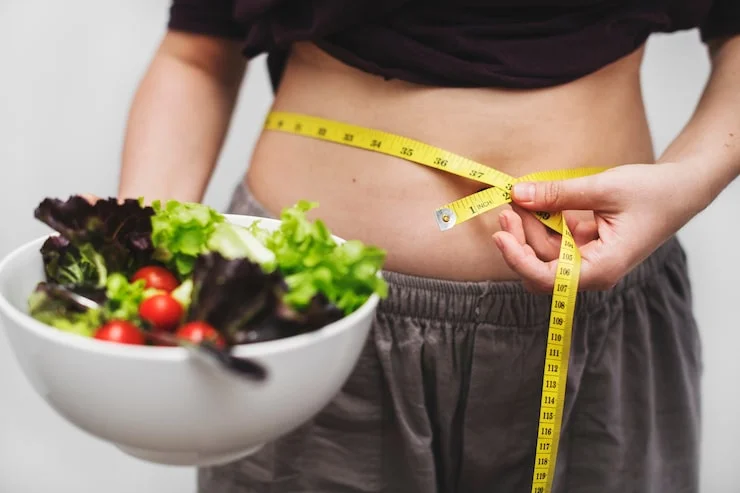
Weight loss happens when you eat fewer calories than your body burns. Exercise helps by burning extra calories and building muscle. But exercise alone rarely causes significant weight loss without changes to food intake.
What you eat around your workout affects two things: how well you perform during exercise, and how well your body recovers afterward.
If you exercise without enough fuel, your body may break down muscle for energy. This is the opposite of what you want. Muscle burns more calories at rest than fat does. Losing muscle can slow your metabolism and make future weight loss harder .
Eating the right foods before and after training protects your muscle. It also helps you train with more energy, which means you burn more calories during the session itself.
Read: Best Workout Meals For Muscle Gain Beginners
What to Eat Before a Workout?
Your pre-workout meal should be mostly carbohydrates with a small amount of protein. Carbohydrates are the body’s preferred energy source during exercise. They break down into glucose, which fuels your muscles.
Eat a small snack 30 to 60 minutes before exercise. If you prefer a full meal, eat it two to three hours before training . The goal is to feel energized, not full or sluggish.
Good pre-workout choices include:
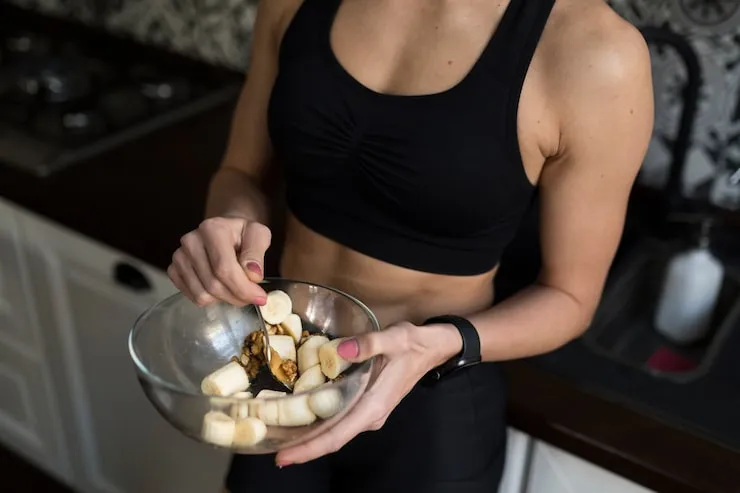
- A banana with a spoonful of peanut butter
- A hard-boiled egg and a small piece of fruit
- Low-fat Greek yogurt with a few berries
- A small bowl of oatmeal
- A rice cake with a thin layer of honey
- Half a protein shake and a banana
Avoid foods that are very high in fat or fiber right before exercise. Nuts, fried foods, and large salads take longer to digest. They can cause stomach discomfort and make you feel slow during your workout .
The exact timing depends on your body. Some people can eat 30 minutes before training and feel fine. Others need a full hour. Pay attention to how you feel and adjust.
What to Eat After a Workout?
Your post-workout meal should be mostly protein with some carbohydrates. Protein repairs the muscle damage that happens during exercise. Carbohydrates refill the energy stores in your muscles.
Try to eat within 30 to 60 minutes after exercise. This is when your muscles are most ready to absorb nutrients . A protein shake is a convenient option if you cannot eat a full meal right away.
Good post-workout choices include:
- Grilled chicken with sweet potato
- Canned tuna with whole-grain crackers
- Eggs with a slice of whole-grain toast
- A protein shake with a banana
- Cottage cheese with fruit
- Salmon with rice and vegetables
- Greek yogurt with a small handful of granola
For weight loss, portion size still matters. A post-workout meal is not a free pass to eat large amounts of food. Aim for a palm-sized portion of protein and a cupped-hand portion of carbohydrates. This gives your body what it needs without adding extra calories.
The Timing Question: Does It Really Matter?
You may have heard about the “anabolic window.” This is the idea that you must eat within minutes of finishing exercise or your workout is wasted. Research has softened this claim over time. The window is wider than once believed.
Total daily food intake matters more than precise timing. If you eat balanced meals throughout the day, your body has a steady supply of nutrients. You do not need to panic about eating at the exact right minute.
However, timing still has practical value. Eating after a workout helps you recover faster and reduces soreness. It also prevents you from getting overly hungry later and overeating. For people trying to lose weight, these benefits are worth paying attention to.
A reasonable approach: eat a small snack before training if you are hungry or if your workout will be long. Eat a protein-rich meal within a couple of hours after training. Do not stress about the exact clock.
What About Fasted Workouts?

Some people exercise on an empty stomach because they believe it burns more fat. This idea has some truth to it. When you exercise without eating, your body relies more on stored fat for fuel.
But there is a catch. Fasted workouts often feel harder. You may have less energy and perform worse. A poor workout burns fewer total calories than a good one. Over time, this can cancel out the extra fat burned during the session.
More importantly, fasted training may increase the risk of muscle loss. Without available carbohydrate, your body may break down muscle protein for energy. For someone trying to lose fat while keeping muscle, this is a problem .
Fasted exercise is not dangerous, but it is not a magic solution. If you enjoy training on an empty stomach and feel fine, there is no strong reason to stop. If you feel weak, dizzy, or sluggish, eat a small snack first. A banana or a few crackers takes less than a minute to eat and can improve your workout quality.
Building a Simple Daily Meal Plan
You do not need a complicated diet to lose weight. You need a consistent pattern of meals that include protein, vegetables, and reasonable portions of carbohydrates.
Here is a simple template you can adapt:
Morning (before workout): A banana and a hard-boiled egg, or a small bowl of oatmeal with Greek yogurt.
After workout (breakfast or lunch): Grilled chicken with sweet potato and greens, or eggs with whole-grain toast and fruit.
Afternoon meal: A palm-sized portion of protein (fish, chicken, tofu, or beans) with plenty of vegetables and a small serving of rice or quinoa.
Evening meal: Similar to the afternoon meal. Keep portions moderate. Include vegetables at every meal to help you feel full.
Snacks: Fruit, yogurt, a small handful of nuts, or vegetables with hummus. Keep snacks simple and do not graze all day.
This pattern provides enough protein to protect muscle and enough carbohydrates to fuel your workouts. It also creates a calorie deficit if portions are reasonable. The key is consistency, not perfection.
You May Also Like: Best Pre And Post Workout Meal For Muscle Gain
Common Mistakes to Avoid
Eating too much after exercise. It is easy to overestimate how many calories you burned during a workout. A 30-minute jog might burn 250 to 300 calories. A large post-workout meal can easily exceed that amount. Eat a normal meal, not a feast .
Skipping protein. Many people focus on carbohydrates before and after exercise and forget protein. Protein is what protects your muscle during weight loss. Include a protein source at every meal.
Drinking your calories. Sports drinks, fancy coffee drinks, and smoothies can contain hundreds of calories without making you feel full. Water is the best choice for hydration during most workouts. If you sweat heavily for over an hour, a sugar-free electrolyte drink is fine.
Changing everything at once. You do not need to overhaul your entire diet overnight. Start with one change: add a protein source to your post-workout meal. Then add a small pre-workout snack. Build habits slowly.
A Note on Hydration
Water does not directly cause weight loss, but it supports every process in your body. It helps you feel full between meals and keeps your workouts feeling normal. Aim for clear, sugar-free fluids throughout the day.
During intense exercise, you lose water and electrolytes through sweat. For most workouts under an hour, plain water is enough. For longer or very sweaty sessions, a sugar-free electrolyte drink can help you rehydrate.
Drinking water before meals may help with portion control for some people. If you are taking weight loss medication that makes you feel full quickly, be careful not to fill your stomach with water right before eating. You need enough room for food and nutrients.
Frequently Asked Questions
Do I need to eat before a morning workout if I want to lose weight?
Not necessarily. If you feel fine training on an empty stomach and your workout is under 60 minutes, fasted exercise is acceptable. But if you feel weak or your performance drops, eat a small snack like half a banana first.
What is the best post-workout food for weight loss?
A protein shake is convenient and low in calories. A small meal of chicken and vegetables also works well. The best choice is one you will actually eat consistently.
Can I just eat less and skip workout meals entirely?
You can lose weight by eating less, but you may also lose muscle. Eating protein around your workouts helps protect muscle mass. Muscle keeps your metabolism higher, which makes weight loss easier to maintain.
How long after eating should I wait to exercise?
A small snack needs 30 to 60 minutes. A full meal needs two to three hours. Start with a snack and adjust based on how your stomach feels.
Do workout meals need to be special foods?
No. Regular food works fine. Chicken, eggs, yogurt, fruit, rice, and vegetables are all you need. You do not need expensive supplements or special products.
Final Thoughts
Workout meals for weight loss do not need to be complicated. Eat a small carb snack before training. Eat a protein-rich meal after training. Keep your portions reasonable and stay consistent with your overall eating pattern.
The most important factor in weight loss is your total calorie intake over days and weeks. Workout meals support that goal by helping you train well and recover well. They are a tool, not a magic solution.
Start with one change this week. Add a protein source to your post-workout meal. See how you feel. Then build from there. Small steps taken consistently beat perfect plans that last only a few days.