Low Calorie High Protein Workout Meals
You finish a hard training session. Your muscles are tired, your energy is low, and you know you need to eat something that helps your body recover without undoing the work you just did. This is where low calorie high protein workout meals earn their place.
The idea is simple. You want food that gives your muscles what they need to repair and grow, while keeping the overall calorie load light enough to support fat loss or maintenance. The execution, however, is where most people struggle. They either eat too little and feel drained, or they eat “healthy” foods that secretly carry more calories than they realize.
This guide breaks down the practical side of building these meals. You will learn what to put on your plate, how much protein you actually need around training, and several real meal ideas you can cook without spending hours in the kitchen.
Why This Combination Matters After a Workout?
Training creates a small amount of damage in your muscle fibers. Your body then repairs that damage, and if the conditions are right, it builds the muscle back slightly stronger. Protein provides the raw material for that repair process. Without enough protein, your body struggles to keep up .
Carbohydrates matter too, but they play a different role. Carbs refill the energy stores your muscles used during training. If you are trying to keep calories low, you still need some carbs, just not an excessive amount. The balance is what makes low calorie high protein meals effective.
Here is the practical takeaway from sports nutrition research. After resistance training, consuming roughly 15 to 25 grams of quality protein helps stimulate muscle repair . Higher amounts beyond that do not appear to provide extra benefit in the immediate post-workout window. So your meal does not need to be enormous. It needs to be smart.
Read Also: High Protein Breakfast After Workout
The Real Rule for Protein Amount
Most people overcomplicate this. You do not need a different protein target for every single meal. What matters is hitting a reasonable total across the day.
For a workout meal, aim for 25 to 40 grams of protein from a lean source. This range covers the post-exercise repair window and keeps you full without adding unnecessary calories . If you prefer to think in terms of the food itself, that looks like:
- 120 to 150 grams of raw chicken breast
- 150 grams of white fish like cod or tilapia
- 200 grams of plain Greek yogurt
- 4 to 5 egg whites plus one whole egg
These portions are not huge. That is the point. You want the protein to be the anchor, not the calorie bomb.
Choosing Protein Sources That Keep Calories Low
Not all protein foods are equal when calories matter. Some protein sources come packaged with a lot of fat, which drives up the calorie count fast. The leanest options give you the most protein for the fewest calories.
Skinless chicken breast, turkey breast, white fish, shrimp, egg whites, plain Greek yogurt, and cottage cheese are your best tools . These foods deliver strong protein numbers without dragging extra fat into the meal.
Be careful with foods that people assume are “healthy” but are actually calorie dense. Nuts, cheese, and fatty cuts of meat all contain protein, but they also carry significant fat. A small handful of almonds has about the same calories as a whole chicken breast. That does not make nuts bad, but it makes them a poor foundation for a low calorie high protein meal.
Vegetables Are Your Volume Strategy
One of the hardest parts of eating lower calorie meals is the feeling of hunger that comes an hour later. Vegetables solve this problem better than almost anything else.
Vegetables add bulk to your plate with very few calories. A large bowl of spinach, peppers, zucchini, or broccoli takes up space in your stomach and helps you feel satisfied. This matters because the feeling of fullness is not just about calories. It is about volume and the physical sensation of having eaten .
Build every workout meal on a base of vegetables, then add your protein on top. This order keeps the calorie count low while making the meal look and feel substantial. A plate with just chicken breast feels like a diet. A plate with chicken breast over roasted peppers, onions, and spinach feels like a meal.
Carbohydrates: Keep Them, But Choose Wisely
Some people try to cut carbs completely when they want low calorie meals. That strategy often backfires. Carbs support training performance and help your muscles recover. The key is choosing carbs that bring something else to the table, like fiber or volume.
Quinoa, sweet potatoes, beans, and oats are good choices. They take longer to digest and help keep blood sugar steady . White rice and white bread are not forbidden, but they digest faster and do not keep you full as long.
Keep the carb portion moderate. A half cup of cooked quinoa or a small sweet potato is usually enough for a post-workout meal when your goal is staying low calorie. The protein and vegetables should take up most of the plate.
Three Workout Meals You Can Actually Make
Here are three meals built on the principles above. Each one delivers solid protein, stays reasonable on calories, and takes less than thirty minutes of active work.
Lemon Herb Chicken Bowl with Quinoa and Spring Vegetables
This meal comes together in about thirty minutes and holds up well for meal prep. You cook quinoa, sear chicken breast with lemon and oregano, and lightly sauté asparagus and snap peas. The whole thing comes together in one skillet and one pot .
A serving of this bowl provides roughly 32 grams of protein and lands around 420 calories. The quinoa gives you slow-digesting carbs, and the vegetables add fiber and volume. It is the kind of meal that feels complete without feeling heavy.
Spicy Chicken with Stir-Fried Noodles
Sometimes you want something that tastes indulgent but still fits your goals. This one-pan meal uses 180 grams of chicken breast, a moderate portion of noodles, and plenty of peppers and onions. The sauce is built from soy sauce, chili sauce, and vinegar, so it brings strong flavor without relying on oil or sugar .
The numbers work out to about 50 grams of protein and 550 calories for the full recipe. If you want to bring the calories down further, reduce the noodles slightly and increase the vegetables. The chicken portion stays the same because that is the part doing the repair work.
You May Also Like: Best High Protein Workout Meals for Muscle Gain
Chickpea and Chicken Salad with Yogurt Dressing
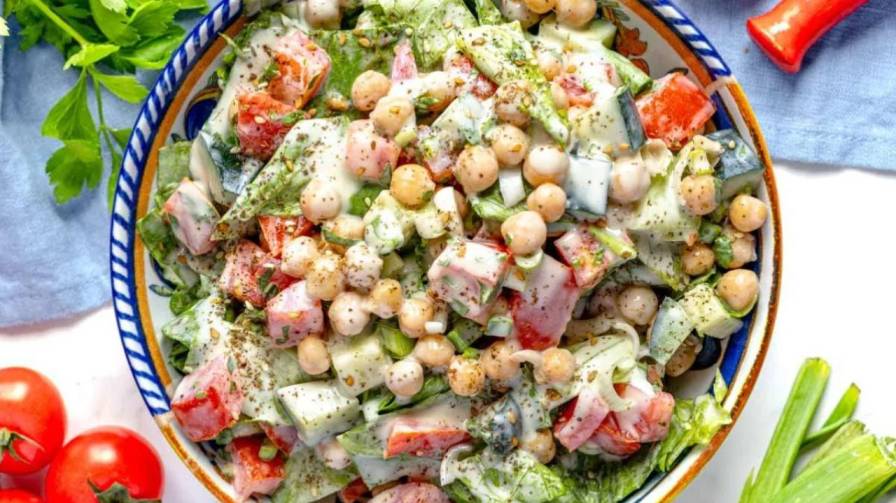
Not every workout meal needs to be hot. This salad uses shredded chicken, chickpeas, and a dressing made from Greek yogurt, Dijon mustard, and a little honey. The yogurt replaces mayonnaise, which cuts a significant amount of fat and calories while adding protein .
One serving gives you around 30 grams of protein and sits near 366 calories. The chickpeas add fiber and slow carbs, and the apple and celery give it crunch. It holds well in the fridge for a few days, which makes it a reliable option for busy weeks.
What to Eat Before Training Instead?
This article focuses on post-workout meals, but the meal before training deserves a quick note because it affects how you feel during the session.
Eat a mixed meal containing carbs and protein about two to three hours before training if you can. Keep the fat low because fat digests slowly and can make you feel sluggish or uncomfortable during exercise . If you train early in the morning and cannot eat a full meal, a banana or a small piece of fruit thirty minutes before is enough to take the edge off.
The post-workout meal then handles recovery. You do not need to rush it. The idea that you must eat within thirty minutes is overstated for most people. Eating within a couple of hours is fine .
Common Mistakes That Undo the Benefits
The biggest mistake people make with low calorie high protein meals is adding hidden calories through cooking methods. A chicken breast cooked in three tablespoons of oil gains over 300 calories. The same chicken breast grilled or baked stays lean.
Sauces and dressings are the second trap. Creamy sauces, cheese-based dressings, and bottled marinades often carry more calories than the protein itself. Use vinegar, citrus, herbs, spices, and yogurt-based sauces instead. These give you flavor without the calorie load.
The third mistake is undereating protein at breakfast and then trying to catch up at dinner. Spreading protein across your meals is easier on your body and keeps hunger more stable. A yogurt bowl or an egg white scramble in the morning takes five minutes and starts the day with a protein anchor.
Bringing It Together
Low calorie high protein workout meals are not complicated. They follow a pattern. Start with a lean protein source, build volume with vegetables, add a moderate portion of a fiber-rich carb, and season boldly so the food tastes good.
The protein target for your post-workout meal is roughly 25 to 40 grams. The calorie target depends on your overall daily needs, but most of these meals land comfortably between 350 and 550 calories. That range leaves room for other meals and snacks without pushing you over your limit.
What matters most is consistency. One perfect workout meal will not change anything. A rotation of three or four reliable meals that you can cook without thinking, week after week, is what produces results. Pick one from this guide, cook it this week, and see how you feel after your next training session.